MAP

Thursday, March 25, 2021

great wall voleex c70 سيارات جريت وول تعود لمصر 2021


اتخذت شركة جريت وول هي شركة صينية لصناعة السيارات، من أعجوبة الصين اسمًا لها، تأسست عام 1984 كشركة إنتاج للشاحنات، ثم بدأت بتصنيع السيارات الصغيرة وطرحت العديد من السيارات في مصر، ولكن سرعان ما اختفت هذه الشركة واختفت موديلاتها الجديدة في مصر.

خرجت شركة جريت وول من مصر منذ فترة طويلة ولكن متوقع أنها على وشك العودة من جديد للعودة لسوق السيارات المصري مع وكيل جديد. 

وقالت التقارير إن الشركة الصينية هي شركة جريت وول التي عرفت في مصر لفترة من الوقت وكانت تابعة للمجموعة البافارية وعز العرب للسيارات في وقت طرحها في مصر وقدمت عدد من السيارات أبرزها جريت وول وسيارات ماهيندرا .

 
وحتى الآن لم بتم الإعلان عن الوكيل المحلي لجريت وول في مصر، ولكن الإعلان عنه بشكل رسمي سيكون في منتصف العام الجاري 2021 مع الإعلان عن موديلات الشركة الجديدة التي ستطرحها في مصر .

وقدمت شركة جريت وول سيارات بيري و فلوريد وموديل هوفر وكول بيير التي قدمت في مصر، ولم تستمر العلامة لفترة طويلة في السوق المصرية قبل توقف مبيعاتها بسبب صعوبة المنافسة السعرية.
على الرغم انها سيارات بجودة عالية وخصوصا سيارات هافال
واستقرت شركة جريت ول على العودة لمصر مع وكيل محلي جديد سيتولي بيع سياراتها بالاضافة الي تقديم خدمات ما بعد البيع والصيانة. أما بالنسبة للموديلات الجديدة المرتقبة من الشركة الصينية فلم يتم تحديدها بعد, ولكن تم التأكيد على استهداف فئتي الـSUV والبيك أب التي تتميز بهم جريت وول في العالم لأنها في الأساس شركة تصنيع سيارات بيك اب  وحققت نجاحًا بارزًا في هذا المجال،  حيث وصلت إلى المرتبة الاولى في الصين عام 1998.


Friday, December 18, 2020

Saturday, November 21, 2020

very useful links in my another blogger

copy and paste !!!


https://klbar2008.blogspot.com/2020/10/proton-15-tgdi-unit-codename-jlh-3g15td.html


https://klbar2008.blogspot.com/2019/12/audi-mesarthim-f-tron-quattroa-fusion.html

Saturday, October 24, 2020

How would you get rid of outdated beliefs about clean diesel technology?


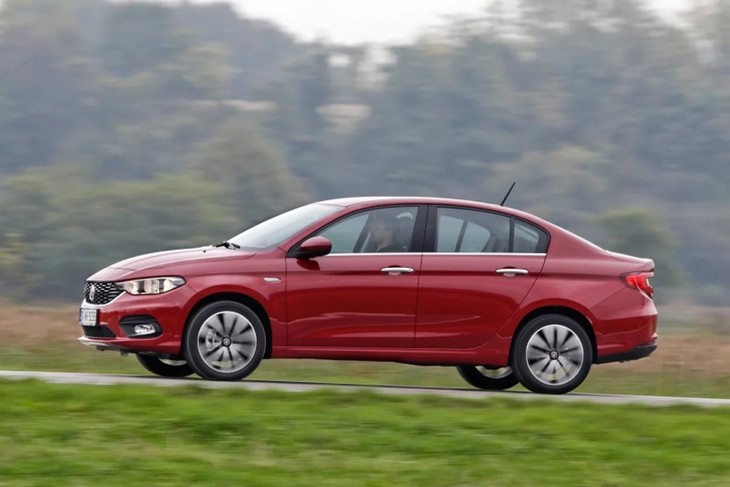
3.7 L/100 km - Fiat Tipo 1.3 Multijet Easy

The Fiat Tipo hatchback and sedan came to market in 2017 and the 1.3-litre turbodiesel sedan derivative is particularly fuel efficient with a claimed fuel consumption figure of 3.7 L/100 km. This engine offers 70 kW and 200 Nm of torque to deliver perky performance. Unfortunately, this engine is only offered on the Tipo sedan. The Fiat Tipo 1.3 Multijet Easy sedan 


In the 1970s and 80s, diesel passenger cars had a bad reputation because they were loud, smelly, underpowered and plagued with failures. Unfortunately, this public perception of diesel technology has persisted and is still unfairly influenced by these outdated beliefs.

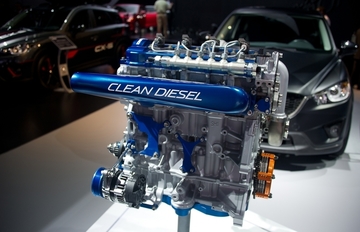
Modern technological advancements, however, have drastically changed diesel technology for the better. The new technology, now called “clean diesel” creates 25% less CO2, 30% better fuel economy and 50% more torque as compared to its gasoline powered counterpart. Clean diesels do, however, come with an initial price premium and usually a higher price for diesel at the pump. However, numerous studies done by the University of Michigan Transportation Institute have shown you end up saving anywhere from $2,000-$7,000 by owning a clean diesel vehicle after just 3 years.

The old stereotypes and price premiums have made it difficult to get the general public’s interest in clean diesels even though the data being generated is overwhelmingly positive. Clean diesels need to be rebranded, and we need your help to correct the inaccurate perceptions and bring the clean diesel to the forefront of the general consumer’s mind when considering their next new vehicle purchase.


Wednesday, September 16, 2020

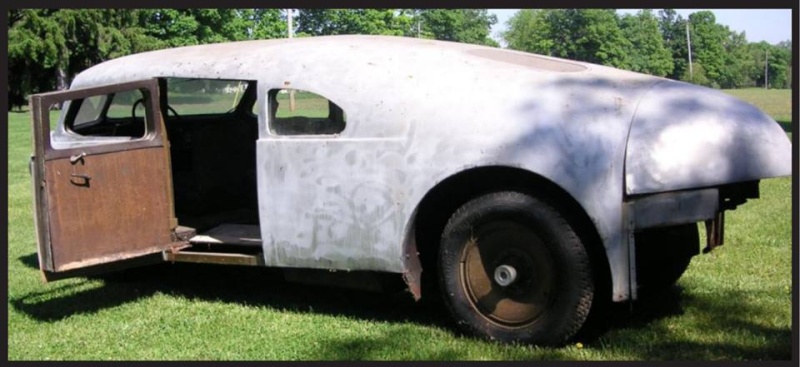
Harris (steamcar)-1938


STEAM-POWERED CARS: CALIFORNIA'S 1970S SMOG SOLUTION

Steam-powered cars may sound like a shout-out to the early 1900s, but in 1970s California the idea was building up a real head of, umm, steam.

Dutcher steam-powered car from 1974 at the Petersen Automotive Museum in Los Angeles [Photo: Matt Novak] 

steam-car-petersen-automotive

In 1969 California State Senator Nicholas Petris, a Democrat from Oakland, proposed a bill that would have banned the sale of any vehicle with a gasoline or diesel-powered internal combustion engine by 1975. Needless to say, that bill went nowhere quickly. But if such legislation had been taken seriously, what would have replaced the internal combustion engine? Well, in the 1970s California state legislators thought they had found the answer in cars that run on steam. Yes, steam.

When we think about the history of the automobile we often imagine the battle between the gas-powered cars that dominate our streets today and the electric car (or gas-electric hybrids) that have a rich history dating back to the turn of the 20th century. But few people remember the other technologies that fought hard for their place in the future, including steam.


Starting with legislation proposed in 1968, the state of California began experimenting with steam buses, contracting with companies to build three of them. All three were demonstrated in Sacramento on April 26, 1972. But only focusing on low emission buses wasn't seen as doing enough to combat the smog. In 1972 the California Assembly passed legislation which contracted two companies to develop steam-powered cars: Aerojet Liquid Rocket Company of Sacramento and Steam Power Systems of San Diego.

The two companies took different approaches with their respective steam technologies. Aerojet installed a steam turbine into a Chevy Vega, while Steam Power Systems chose to build its Dutcher car (named for the company's founder, Cornelius Dutcher) from scratch. The Dutcher car was finished and successfully tested in 1974 though neither car went into production. By 1975 the California Assembly was again back to buses, along with allusions in the press that these experiments with steam were little more than hand-outs to some of the contractors who just so happened to be major financial contributors to the state's Democratic Party.

You can see a Dutcher test vehicle on display at the Petersen Automotive Museum in Los Angeles. The steam car is on loan from one of the better-known car collectors that zip around Southern California 


For all the efforts of companies and governments to get consumers excited about steam cars, the idea obviously never took off. The biggest problem with the steam-powered car? It pumped out less pollution, but was quite a fuel-hog. The fuel used in steam engines of the early 1970s was usually kerosene, but diesel was also an option. Naturally, the last thing people wanted when so many had to line up just to fill up their tanks was to use more energy than they already did.


Thursday, September 3, 2020

مصر : النصر للسيارات تؤكد إحلال التاكسى بالكهربائية.. وخطة لتوفير محطات شحن سريع


الأربعاء 26 أغسطس 2020 12:43 صباحاً

نافذة على العالم - قال المهندس هاني الخولي، العضو المنتدب بشركة النصر للسيارات، إن مشروع إنتاج سيارات الكهرباء، هو مشروع قومي، لابد من شكر القيادة السياسية عليه، مشيرا إلى أن مصر وصلت لمرحلة لابد أن يكون كل شىء فيها جديد ومتطور، موضحا أن هناك أكثر من محور تعمل الشركة فيه، مع وجود شريك أجنبي هو رقم 1 في صناعة السيارات الكهربائية وهي شركة صينية، وتم التفاهم معهم في العام السابق.

وأضاف، خلال مداخلة هاتفية مع الإعلامية ريهام إبراهيم والإعلامي عمرو خليل ببرنامج "من مصر" الذي يذاع على قناة cbc، أن السيارة الكهربائية الجديدة، بداية بيعها سيكون لـ"التاكسي" أو الأجرة، ثم إحلال السيارات الحكومية، وبعدها سيتم طرحها للشراء من قبل المواطن العادي، موضحا أن تلك السيارة تملك مقومات رائعة، كما أن صيانتها شديدة البساطة وليس معقدة كالسيارة العادية.

وأوضح، أنه جرى الاتفاق على إبرام عقود مع الجانب الصيني بنهاية الشهر الجاري، ويتم الآن إحياء كل شىء قديم في الشركة حتى تكون مجهزة لإنتاج تلك السيارة، موضحا أن هناك خطة بالتنسيق مع شركات عالمية بعمل محطات شحن سريع في كل المناطق.


مصر : النصر للسيارات تؤكد إحلال التاكسى بالكهربائية.. وخطة لتوفير محطات شحن سريع

Sunday, May 3, 2020

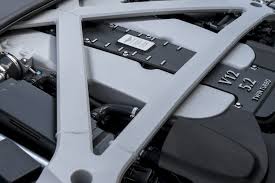
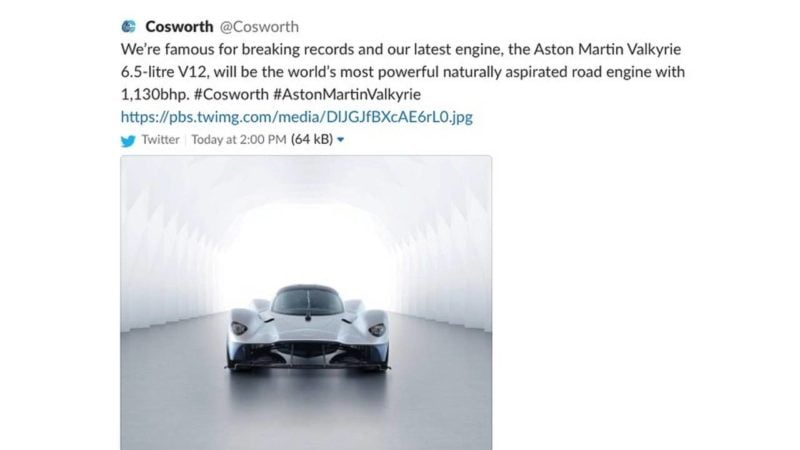
Aston Martin Valkyrie’s 6.5-liter V-12

Aston Martin Valkyrie's Cosworth V12 Engine Sounds Amazing ...


The AM-RB 001 is the lovechild Red Bull and Aston Martin are creating. It’s meant to push the boundaries of today’s cars and give a new meaning to what a hypercar is.
Today Aston Martin announced their technical partners who they’ll be working with to put all the pieces of the car in the right place and more importantly making every piece as good as possible.
Probably the most exciting part of the statement was about the engine, we knew it’d be a naturally aspirated V12 but now we’ve got some very interesting details about that monster of an engine.
It’ll be a massive high-revving 6.5L V12 (the One-77 had a 7.3L one) but it’ll be handed over to the guys from Cosworth. They’re the same guys who made the most competitive F1 engines in history along with some of the best road going engines as well.
Hooked up to the engine is a 7-speed paddle shift transmission designed and produced by Ricardo. If you haven’t heard about them, they also make the transmission for the Bugatti Chiron. It’s still unclear whether it’ll be a single or double clutch since the AM-RB 001 is on a massive diet to get to the magical mark of 1.000 kg.
Alongside the V12, Aston Martin has decided that it would need some battery power to pack a little more punch. And as with all the other components in the car, they went for the best player on the market right now, which is Rimac. They not only produce their Concept_One but also supply technology to bigger players in the industry. Newey’s child will have the most advanced lightweight hybrid system on the market.
The key to getting that 1:1 power:weight ratio is not only power but also the weight of the car. The monocel will be as light and strong as possible with the help of their old friends at Multimatic. They also developed the monocel for the One-77 and Vulcan.
We still don’t really have any solid specs yet but with partners like that and one of the best F1 teams backing you up. It’ll be a monster.